From Hugh Capet to Charles IV, the direct royal line shaped the French monarchy; descendants and branches continued in Dreux, Évreux, Valois and Bourbon.
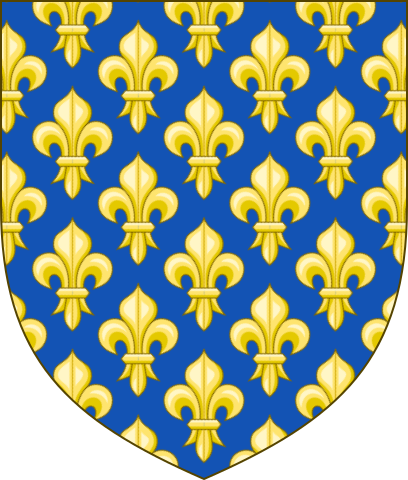
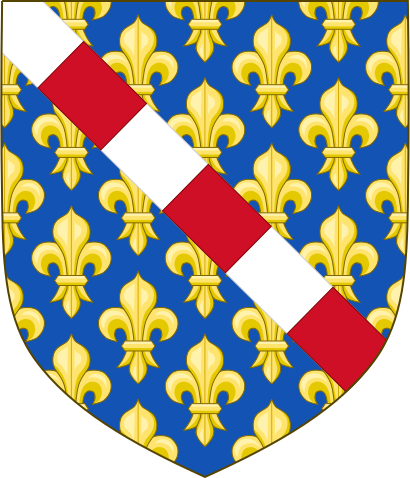
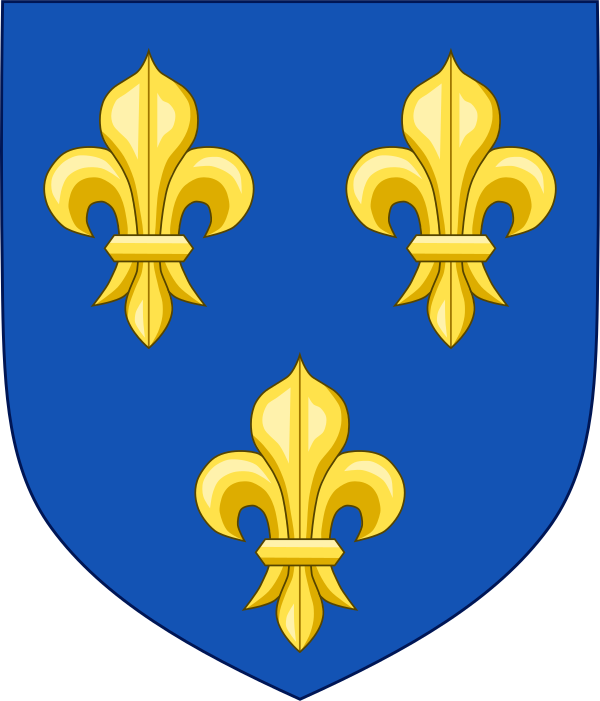
Arms. Azure, semy of fleurs-de-lis or. The ancient arms of France, used before Charles V established the version with three fleurs-de-lis.
Descent, marriage and inheritance connect houses in different ways. Each documented link retains its own explanation.
Branches of this house
Branches of this house
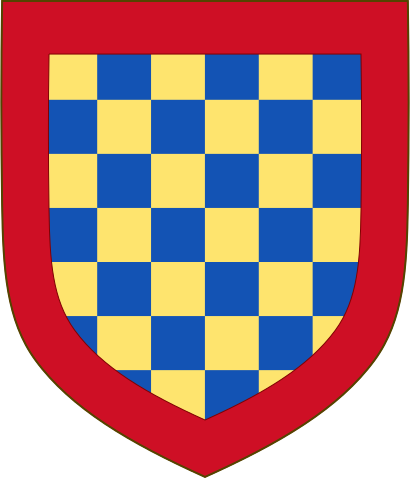
Anjou
11people
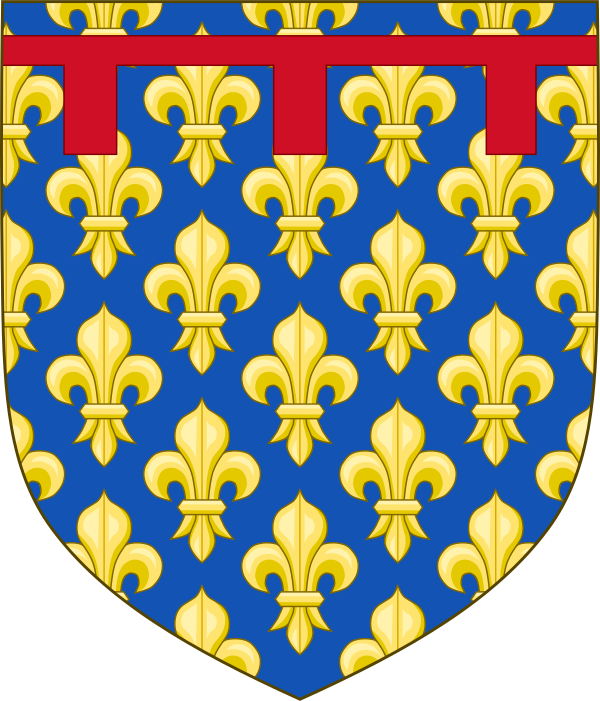
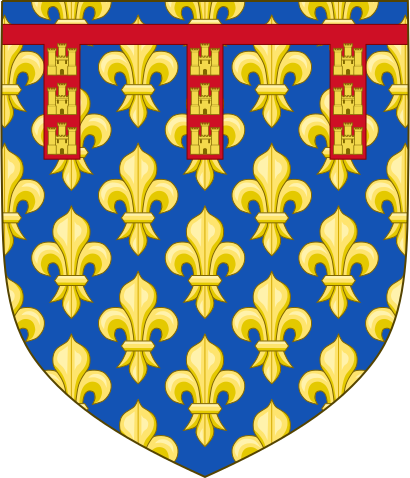
The Capetian House of Anjou, founded by Charles I, Louis IX’s brother, ruled in the Mediterranean and gave rise to the Hungarian, Taranto and Durazzo branches.
Continuity through marriage and inheritance · 1284
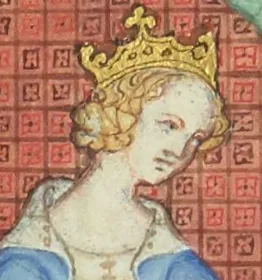
Joan I of Navarre and Champagne married Philip IV of France in 1284. Their children inherited the French and Navarrese crowns; their granddaughter Joan II subsequently opened the Évreux succession in Navarre.
Hugh Capet was elected King of the Franks in 987. Father-to-son continuity gradually became established in a kingdom composed of numerous principalities with extensive powers of their own. Louis VI and Louis VII strengthened the monarchy. Robert, Louis VI’s son, founded the Dreux branch.
Development
Philip II enlarged the royal domain and conquered Normandy between 1202 and 1204. Louis VIII succeeded in 1223 and his son Louis IX reigned from 1226, initially under Blanche of Castile’s regency. Philip III and Philip IV continued the line. Philip IV’s marriage to Joan I of Navarre brought the crowns of France and Navarre and the Champagne patrimony to their descendants, with their respective institutions and rights.
Legacy
Louis X died in 1316. His posthumous son John I lived only a few days. Louis’s brothers Philip V and Charles IV then held the crown. Charles IV’s death in 1328 ended the male line of the direct Capetian kings: Philip VI of Valois succeeded in France and Joan II, Louis X’s daughter, in Navarre. The Évreux, Valois and Bourbon branches continued the family’s history.