Capet
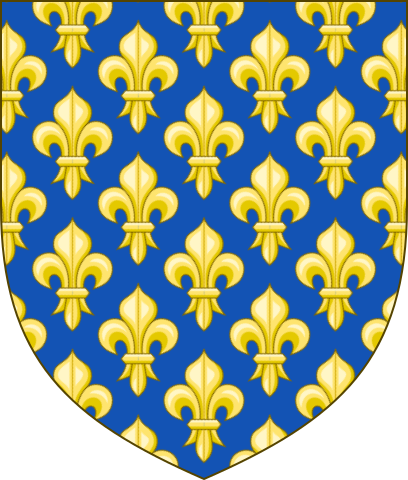
From Hugh Capet to Charles IV, the direct royal line shaped the French monarchy; descendants and branches continued in Dreux, Évreux, Valois and Bourbon.

The first Capetian House of Burgundy governed the duchy from the eleventh century until 1361 and produced extensive European descendants.
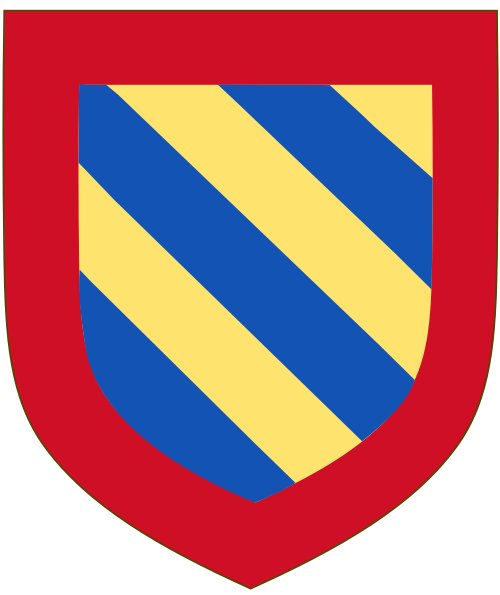
Arms. Bendy or and azure, a bordure gules. Ancient arms of the Capetian dukes of Burgundy.
Descent, marriage and inheritance connect houses in different ways. Each documented link retains its own explanation.
From Hugh Capet to Charles IV, the direct royal line shaped the French monarchy; descendants and branches continued in Dreux, Évreux, Valois and Bourbon.
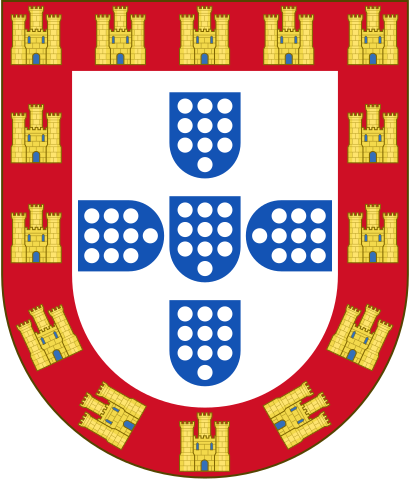
The Portuguese branch of the Capetian ducal House of Burgundy, also known as the first or Afonsine dynasty, governed the kingdom from its formation until the succession crisis of 1383–1385.
Robert, King Robert II of France’s son, received the Duchy of Burgundy in 1032. His descendants consolidated a patrimony centred on Dijon. A branch moved to the Iberian Peninsula with Henry of Burgundy and founded Portugal’s first royal dynasty.
The dukes extended their possessions through purchases, marriages and agreements with their neighbours. Hugh IV participated in the crusades. The marriages of Margaret and Joan of Burgundy into the French royal houses placed the family within the succession disputes of the fourteenth century.
Philip of Rouvres brought together the duchy and other patrimonies inherited from his parents, but died without descendants in 1361. His dominions were divided between different heirs. The duchy passed to John II of France, who granted it to his son Philip the Bold. This began the Valois-Burgundy period.
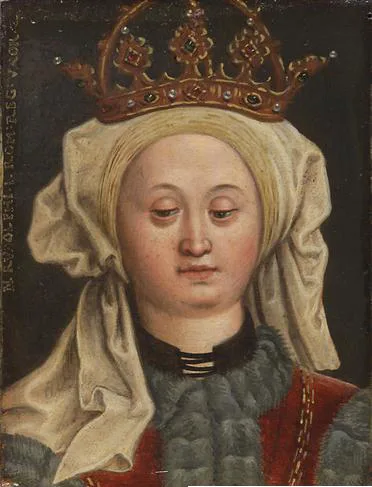
Isabella of Burgundy · ESConsort1270 – 1323Margaret of Burgundy · ESConsort1290 – 1315Joan of Burgundy · ESConsort1293 – 1349Odo III of Burgundy · ESDuke? – 1218Includes nominal titles, regencies and disputes when recorded. Annual intervals do not establish continuous or exclusive control.
| Person | Territory and title | Period | Status |
|---|---|---|---|
| Odo III of Burgundy · ES | Duke · Burgundy · ES | 1192–1218 | Effective ruleThe duchy was centred on Dijon, separate from the imperial County of Burgundy. |
| Hugh IV of Burgundy · ES | Duke · Burgundy · ES | 1218–1272 | Effective rule |
| Odo of Burgundy · ES | Count · Nevers · ES | 1257–1262 | Jure uxorisThrough his marriage to Matilda of Bourbon, Countess of Nevers. |
| John of Burgundy · ES | Lord · Bourbon · ES | 1262–1268 | Jure uxorisLord of Bourbon through his marriage to Agnes of Dampierre. |
| Robert II of Burgundy · ES | Duke · Burgundy · ES | 1272–1306 | Effective rule |
| Beatrice of Burgundy · ES | Lady · Bourbon · ES | 1287–1310 | Effective rule |
General references do not by themselves verify every relationship or date. Bibliographic titles retain their original language.
Sources and methodology