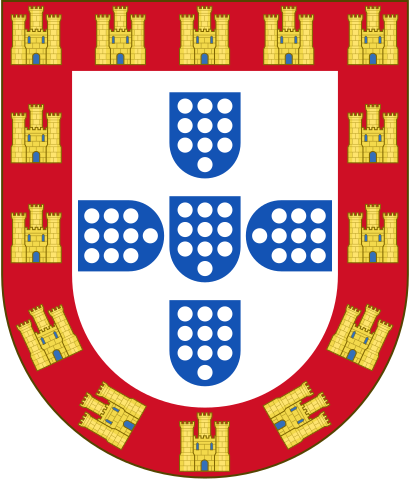
Arms of Burgundy-Portugal: Argent, five escutcheons azure in cross charged with plates; a bordure gules with castles or.
Houses and lineages

Burgundy-Portugal

The Portuguese branch of the Capetian ducal House of Burgundy, also known as the first or Afonsine dynasty, governed the kingdom from its formation until the succession crisis of 1383–1385.

Arms. Argent, five escutcheons azure in cross charged with plates; a bordure gules with castles or. A thirteenth-century variant, identified as 1247 in the source file; the arms of the first dynasty varied over its history.

14 recorded people1 documented connection
Explore in the Spanish Atlas
Genealogy, inheritance and alliances

Parent houses and branches

Descent, marriage and inheritance connect houses in different ways. Each documented link retains its own explanation.

Parent house

Branches of this house

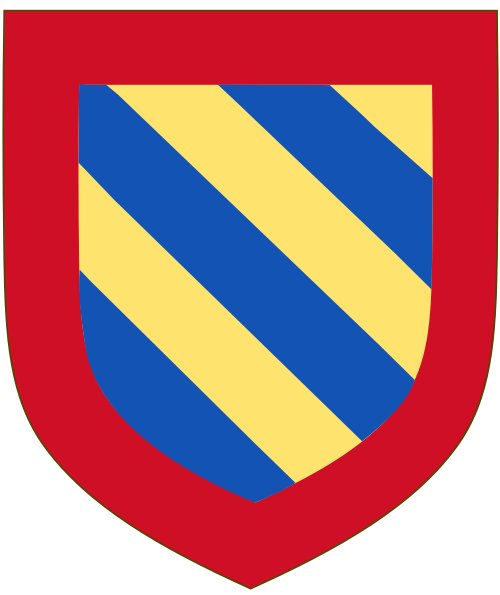
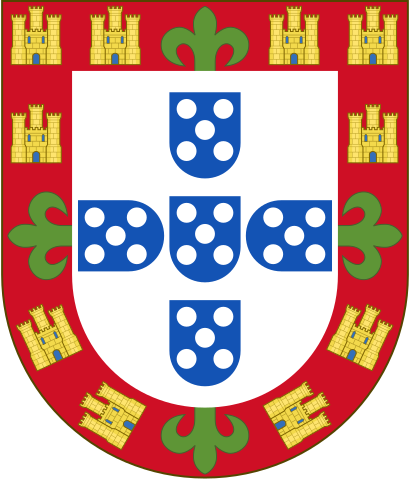
Arms of Aviz
Branches of this house

Aviz

27

The dynasty born of the crisis of 1383–1385 governed Portugal during its Atlantic expansion and ended with Sebastian’s death at Alcácer Quibir and that of his uncle Henry.

Read the record
Cadet branch · 1385

John I of Aviz was a natural son of Peter I of Portugal. His election in 1385 inaugurated another ruling house among the descendants of the first Portuguese dynasty.

View the connection in the Spanish tree

Origin

Henry of Burgundy received the government of the County of Portugal and married Teresa, a daughter of Alfonso VI of León. Their son Afonso Henriques founded the Portuguese monarchy. Historians call this branch of the Capetian ducal house the first Portuguese dynasty, the House of Burgundy or the Afonsine dynasty.

Development

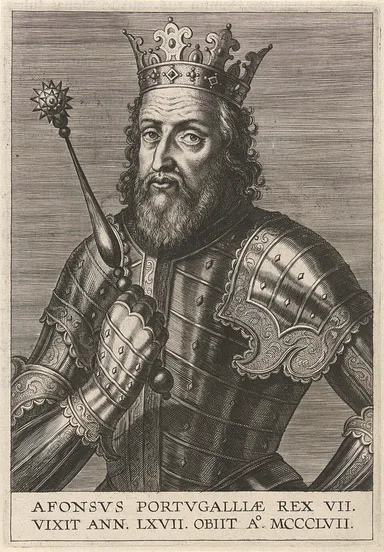
Sancho I succeeded Afonso Henriques. Afonso II, Sancho II and Afonso III followed. From the last descended Denis I, Afonso IV and Peter I. Marriages with the houses of Castile and Aragon extended its Iberian connections. The five escutcheons and bordure of castles became established in Portuguese arms during the thirteenth century.

Legacy

Ferdinand I died in 1383. The succession dispute led to John I of Aviz’s election in 1385. John was a natural son of Peter I: the new ruling house continued the descent of the first Portuguese dynasty.

People who connect the history

Protagonists and connections

Territorial context

Linked territories

Recorded members of this house

People in this house

Recorded governments of members

Includes nominal titles, regencies and disputes when recorded. Annual intervals do not establish continuous or exclusive control.

PersonTerritory and titlePeriodStatus
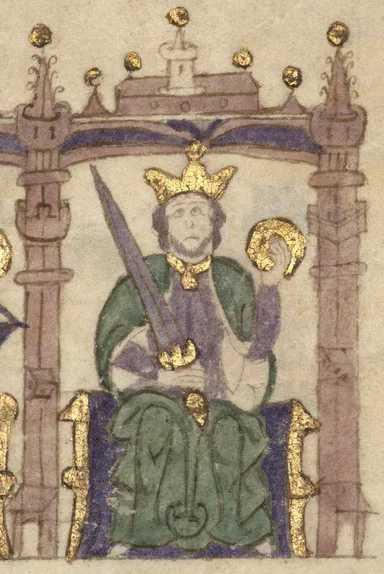
Sancho I of PortugalKing · Portugal · ES1185–1211Effective rulePortuguese government separate from Castile; the Iberian core still excluded the Algarve in 1200.
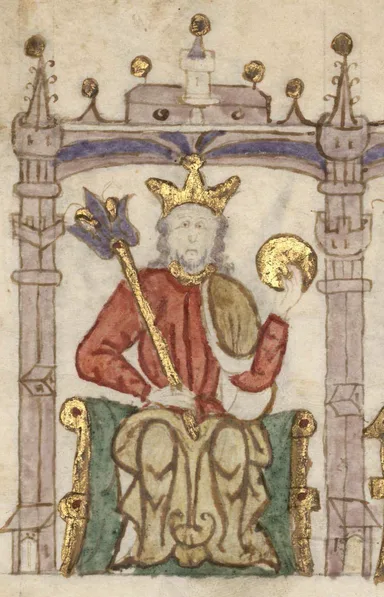
Afonso II of PortugalKing · Portugal · ES1211–1223Effective rule
Sancho II of PortugalKing · Portugal · ES1223–1247Effective ruleKing from 1223. Papal deposition and his brother’s rival administration led to civil war in 1245–1247.
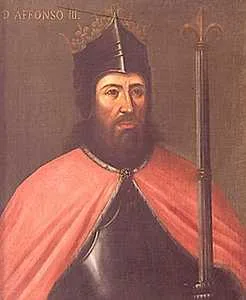
Afonso III of PortugalRegent · Portugal · ES1245–1248RegencyVisitor and defender of the kingdom. Administrator appointed by the pope during Sancho II’s deposition. He adopted the royal title only in 1248; control was disputed during the civil war.
Afonso III of PortugalKing · Portugal · ES1248–1279Effective rule
Sancho II of PortugalKing · Portugal · ES1248–1248TitularHe retained the title until his death in January 1248 after going into exile, but no longer exercised territorial government.
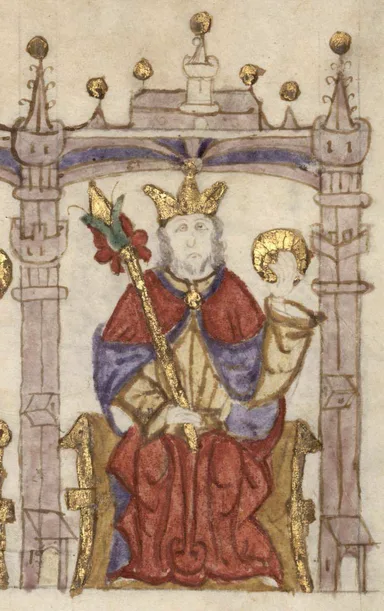
Denis of PortugalKing · Portugal · ES1279–1325Effective rule
Afonso IV of PortugalKing · Portugal · ES1325–1357Effective rule
Peter I of PortugalKing · Portugal · ES1357–1367Effective rule
Ferdinand I of PortugalKing · Portugal · ES1367–1383Effective rule

Contextual bibliography

General references do not by themselves verify every relationship or date. Bibliographic titles retain their original language.

Sources and methodology
Arms: Bragancihno · CC BY-SA 4.0 · Wikimedia Commons. Original drawing and proportions preserved.