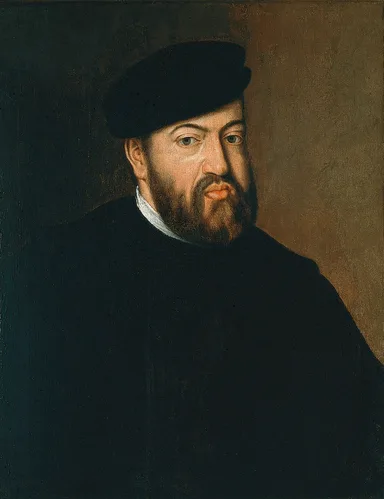
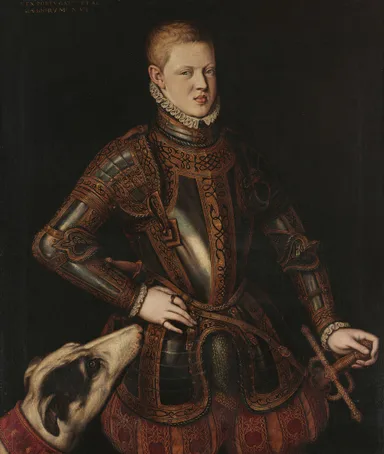
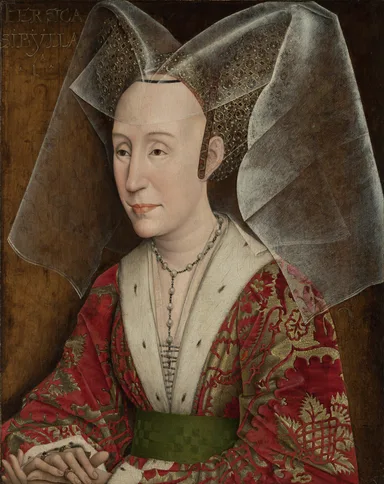
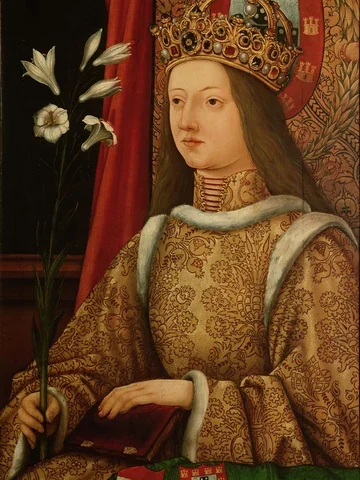
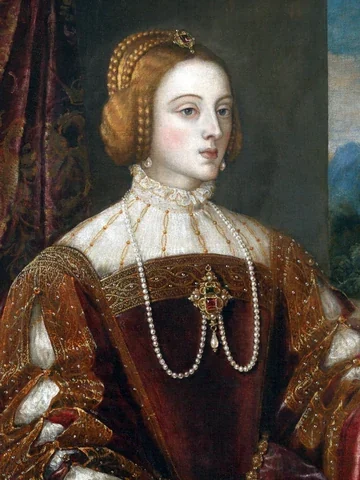
The dynasty born of the crisis of 1383–1385 that governed Portugal during its Atlantic expansion and ended with Sebastian’s death at Alcácer Quibir and that of his uncle Henry.
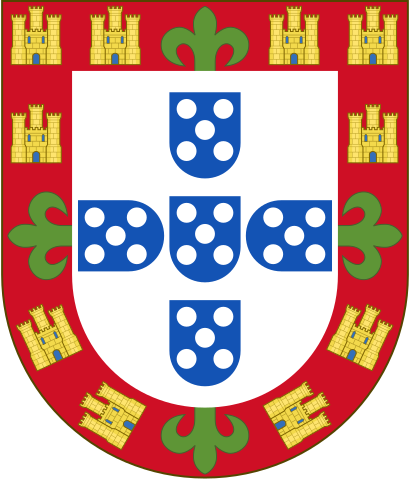
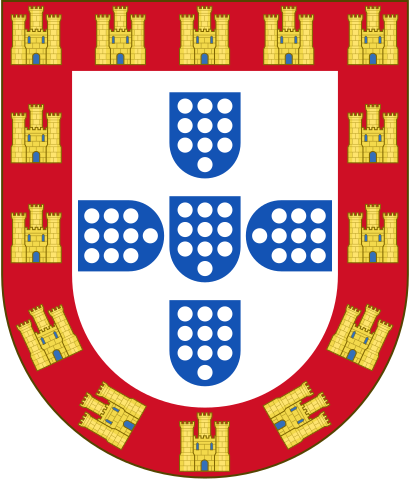
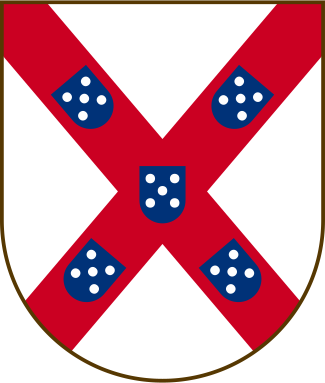
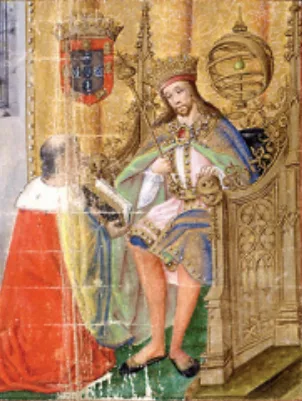
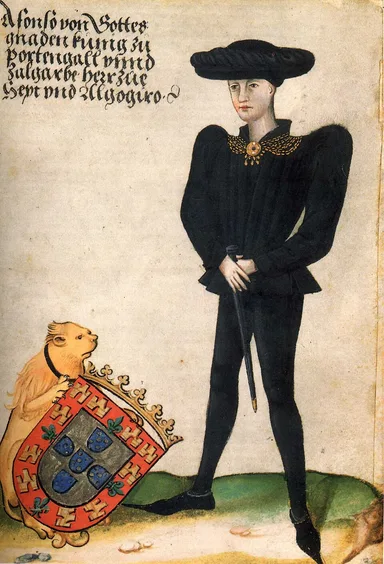
Arms. Argent, five escutcheons azure in cross, charged with plates; a bordure gules with castles or, and overall the fleur-de-lis ends vert of the Cross of Aviz. The arms of Portugal from John I (1385). John II removed the Cross of Aviz in 1485.
Descent, marriage and inheritance connect houses in different ways. Each documented link retains its own explanation.
Parent house
Parent house
Portuguese House of Burgundy
14people
The Portuguese branch of the Capetian ducal House of Burgundy, also known as the first or Afonsine dynasty, governed the kingdom from its formation until the succession crisis of 1383–1385.
John I of Aviz was Peter I of Portugal’s natural son. His election in 1385 inaugurated another reigning house within the descendants of Portugal’s first dynasty.
An illegitimate branch of the House of Aviz that, from the creation of its duchy in 1442, became Portugal’s greatest noble house. It reigned in Portugal from 1640 and in Brazil from 1822.
Afonso, John I of Aviz’s natural son, received the Duchy of Braganza in 1442. His descendants formed a powerful noble house and reached the Portuguese throne with John IV in 1640.
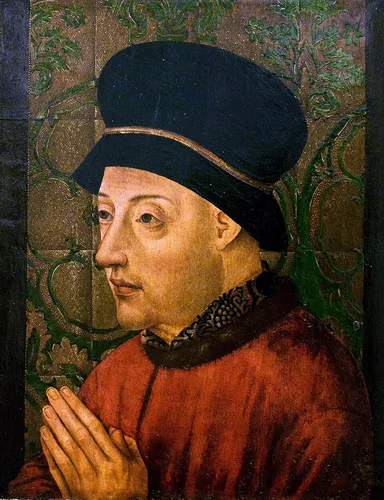
John, master of the Order of Aviz and natural son of Peter I, was acclaimed king by the Cortes of Coimbra in 1385 against John I of Castile’s claims. His victory at Aljubarrota (1385) and the English alliance, sealed by his marriage to Philippa of Lancaster, secured the kingdom’s independence.
Development
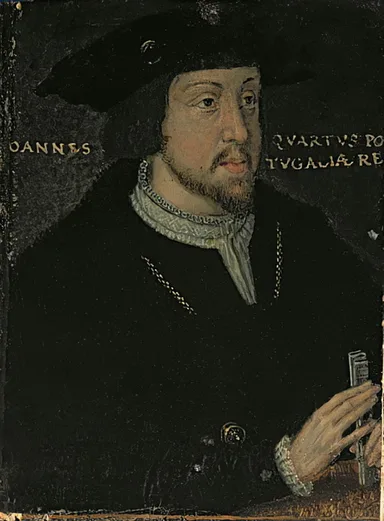
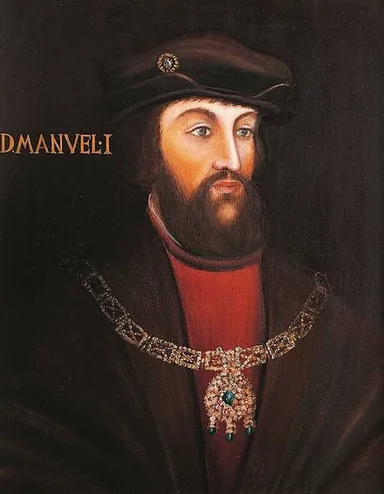
The conquest of Ceuta (1415) opened African expansion, promoted by Infante Henry the Navigator. John II organised the route towards India and negotiated the Treaty of Tordesillas (1494) with Castile. Under Manuel I, Vasco da Gama reached India and Cabral reached Brazil.
Legacy
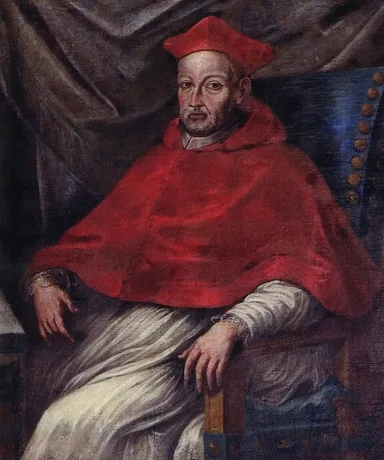
Sebastian died childless at Alcácer Quibir (1578). After Cardinal Henry’s brief reign, Philip II, a grandson of Manuel I through his mother, was recognised as king in 1581. Portugal recovered its independence in 1640 under the House of Braganza, descended from John I.