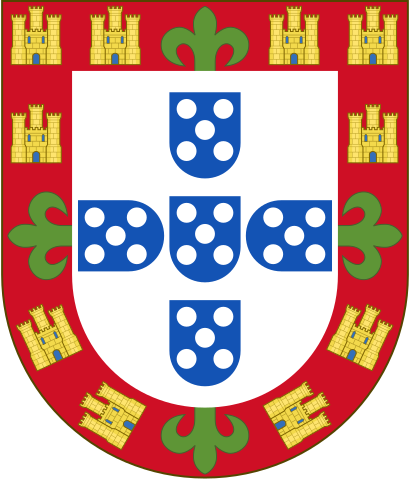
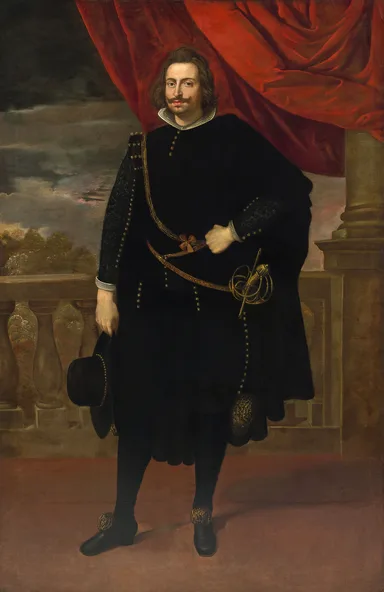
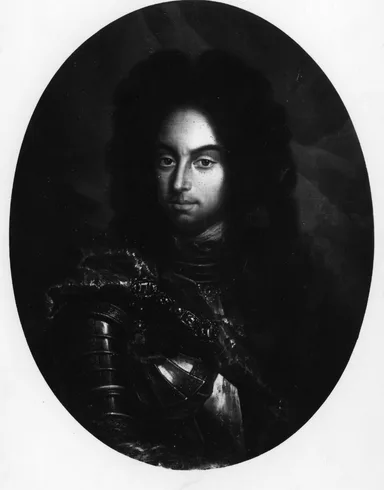
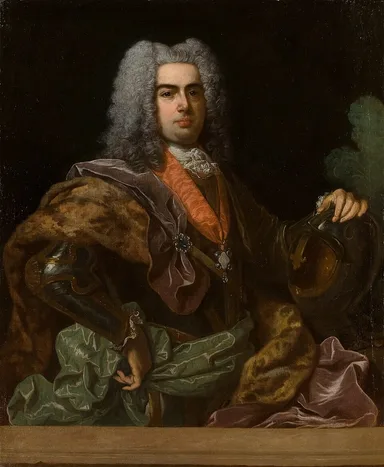
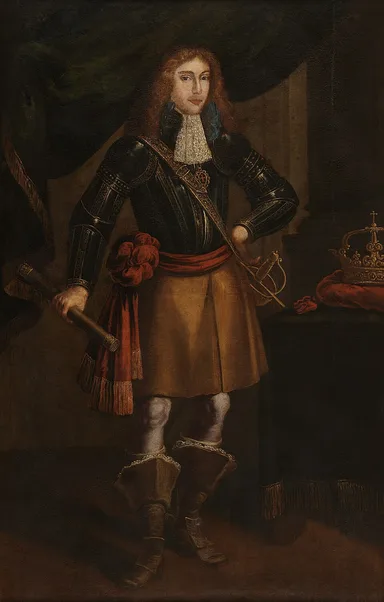
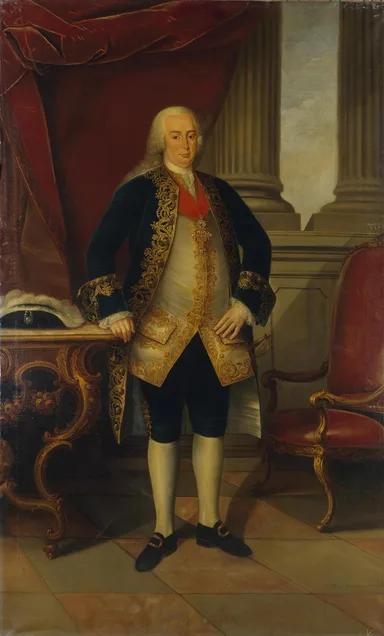
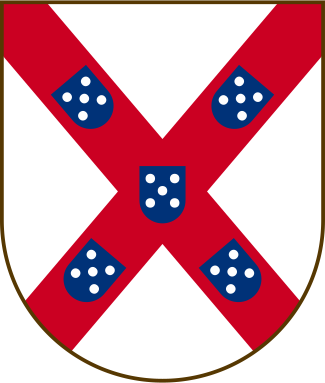
Arms of Braganza: Argent, a saltire gules charged with five escutcheons of Portugal.
Houses and lineages

Braganza

An illegitimate branch of the House of Aviz that, from the creation of its duchy in 1442, became Portugal’s greatest noble house. It reigned in Portugal from 1640 and in Brazil from 1822.

Arms. Argent, a saltire gules charged with five escutcheons of Portugal. Arms of the dukes of Braganza. As kings from 1640, they bore the arms of Portugal.

19 recorded people1 documented connection
Explore in the Spanish Atlas
Genealogy, inheritance and alliances

Parent houses and branches

Descent, marriage and inheritance connect houses in different ways. Each documented link retains its own explanation.

Parent house

Arms of Aviz
Parent house

Aviz

27

The dynasty born of the crisis of 1383–1385 governed Portugal during its Atlantic expansion and ended with Sebastian’s death at Alcácer Quibir and that of his uncle Henry.

Read the record
Cadet branch · 1442

Afonso, a natural son of John I of Aviz, received the Duchy of Braganza in 1442. His descendants formed a powerful noble house and reached the Portuguese throne with John IV in 1640.

View the connection in the Spanish tree

Origin

Afonso, a natural son of King John I, married the daughter of Constable Nuno Álvares Pereira, heiress to his great lordships. In 1442 he received the Duchy of Braganza from his nephew Afonso V.

Development

Duke Ferdinand II was executed in 1483 for conspiring against John II, and the house recovered its possessions under Manuel I. In 1580 Duchess Catherine, Manuel I’s granddaughter, was one of the claimants to the throne gained by Philip II. In 1640 Duke John was acclaimed King John IV, restoring Portugal’s independence.

Legacy

The Braganzas reigned in Portugal until 1910. Facing the French invasion, the court moved to Brazil in 1807–1808. In 1822 Pedro, John VI’s son, proclaimed the Empire of Brazil, which his house ruled until 1889. Catherine of Braganza became Queen of England through her marriage to Charles II in 1662.

People who connect the history

Protagonists and connections

Territorial context

Linked territories

Recorded members of this house

People in this house

Recorded governments of members

Includes nominal titles, regencies and disputes when recorded. Annual intervals do not establish continuous or exclusive control.

PersonTerritory and titlePeriodStatus
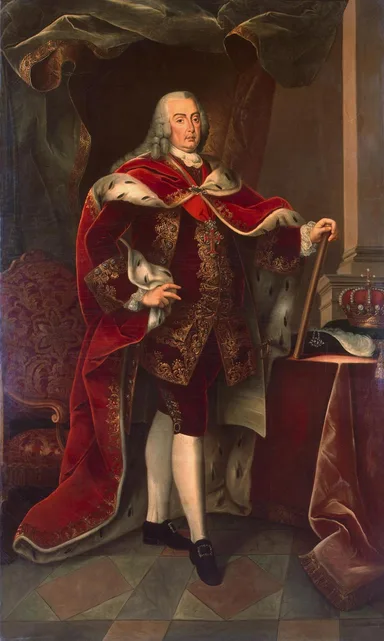
John IV of PortugalKing · Portugal · ES1640–1656Effective rule
Afonso VI of PortugalKing · Portugal · ES1656–1667Effective ruleA minor king under Luisa de Guzmán’s regency until 1662; removed from government in 1667.
Peter II of PortugalRegent · Portugal · ES1667–1683RegencyPrince Regent. Government in place of Afonso VI after his removal from power; king only from 1683.
Afonso VI of PortugalKing · Portugal · ES1668–1683TitularHe retained the royal title after being removed from government in 1667. His brother Peter acted as regent.
Peter II of PortugalKing · Portugal · ES1683–1706Effective rule
John V of PortugalKing · Portugal · ES1706–1750Effective rule
Joseph I of PortugalKing · Portugal · ES1750–1777Effective rule
Peter III of PortugalKing · Portugal · ES1777–1786Jure uxoris
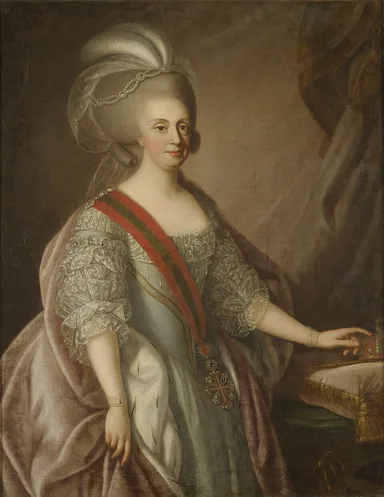
Maria I of PortugalQueen · Portugal · ES1777–1816Effective rule
Maria I of PortugalQueen · Brazil · ES1815–1816Effective rule
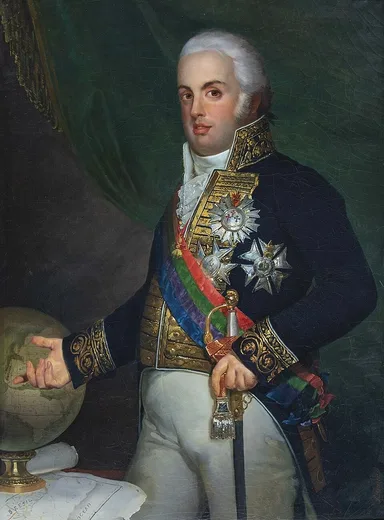
John VI of PortugalKing · Portugal · ES1816–1826Effective rule
John VI of PortugalKing · Brazil · ES1816–1821Effective rule
John VI of PortugalEmperor · Brazil · ES1822–1822Effective rule
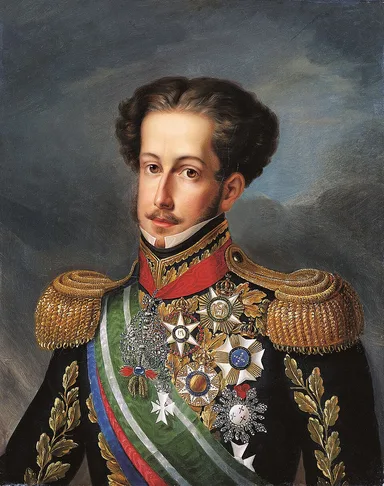
Pedro I of BrazilEmperor · Brazil · ES1822–1831Effective rule
Pedro I of BrazilKing · Portugal · ES1826–1826Effective rule

Contextual bibliography

General references do not by themselves verify every relationship or date. Bibliographic titles retain their original language.

Sources and methodology
Arms: Cantabrucu · CC0 · Wikimedia Commons. Original drawing and proportions preserved.