The Capetian House of Anjou, founded by Charles I, Louis IX’s brother, ruled in the Mediterranean and gave rise to the Hungarian, Taranto and Durazzo branches.
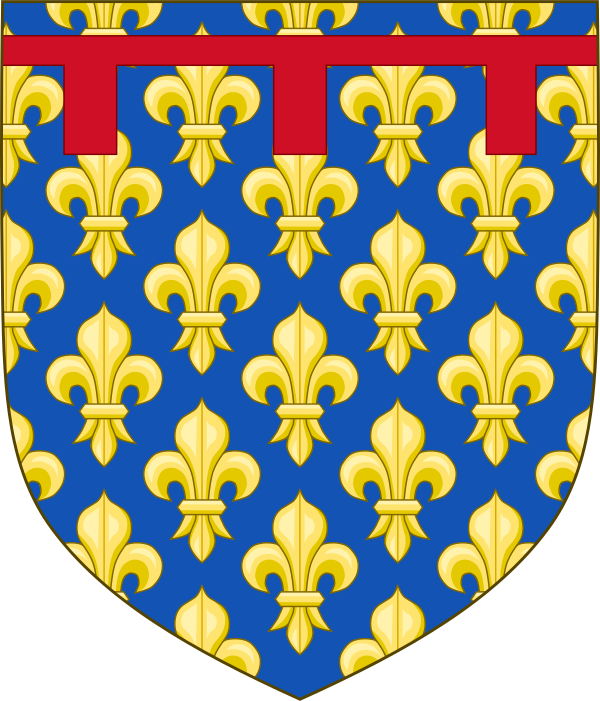
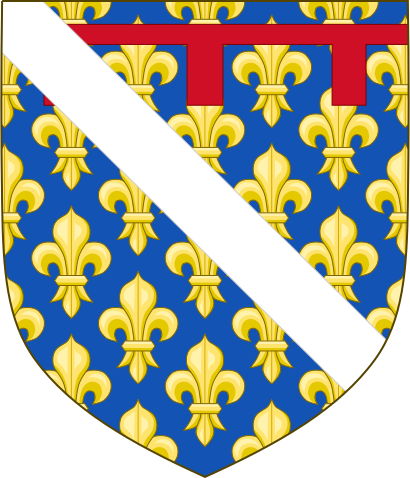
Arms. Azure, semy of fleurs-de-lis or, a label gules. Arms of Charles I’s Capetian line; later branches used other combinations.
Descent, marriage and inheritance connect houses in different ways. Each documented link retains its own explanation.
Parent house
Parent house
Capet
21people
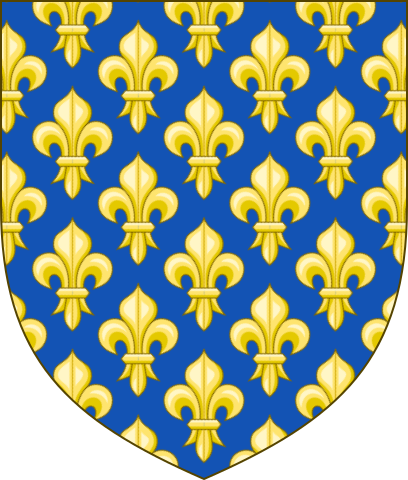
From Hugh Capet to Charles IV, the direct royal line shaped the French monarchy; descendants and branches continued in Dreux, Évreux, Valois and Bourbon.
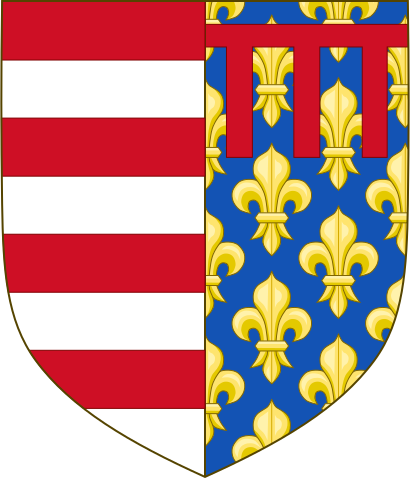
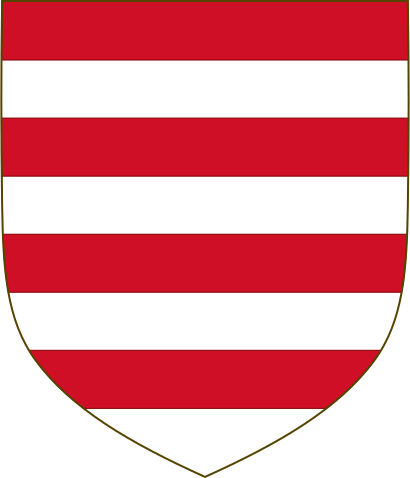
Mary, Stephen V of Hungary’s daughter, married Charles II of Anjou. After her brother Ladislaus IV’s death, she claimed the Hungarian inheritance and transmitted her rights to Charles Martel, Charles Robert’s father.
Charles, Louis VIII’s son and Louis IX’s brother, received Anjou in 1246. This began the Capetian House of Anjou, following the earlier Anjou-Gâtinais counts from whom Fulk V and the Plantagenets descended.
Development
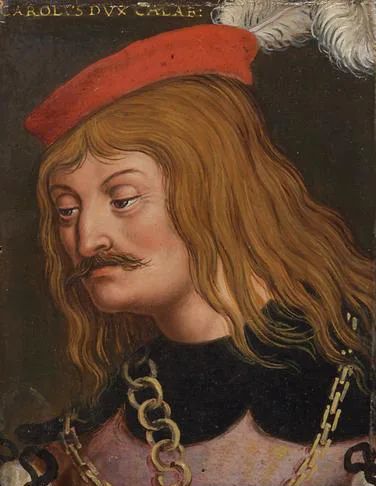
Charles conquered the Kingdom of Sicily in 1266. After the Sicilian Vespers of 1282, he retained the mainland kingdom, known as Naples. Charles II’s descendants included Charles Martel, founder of the Hungarian branch, Philip of Taranto and John of Durazzo. Their patrimonies and claims followed their own histories.
Legacy
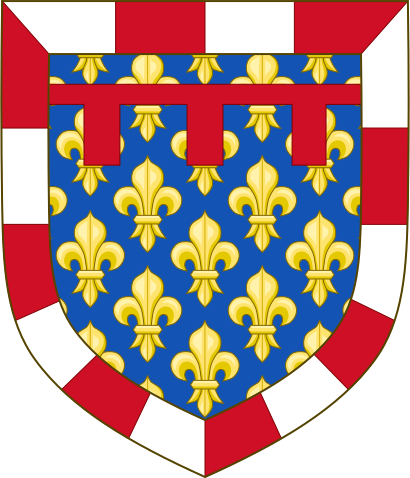
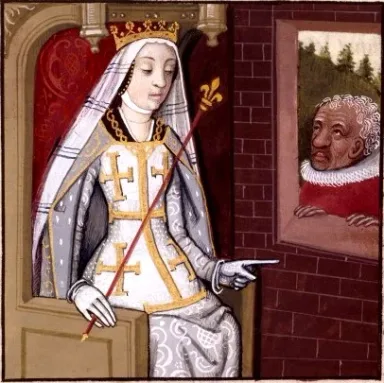
Joanna I of Naples adopted Louis I of Valois-Anjou in 1380 and transmitted her succession rights to him. This second Angevin house’s rivalry with Durazzo prolonged the wars for Naples. The first Capetian Angevins bore a red label; Valois-Anjou bore a red bordure.