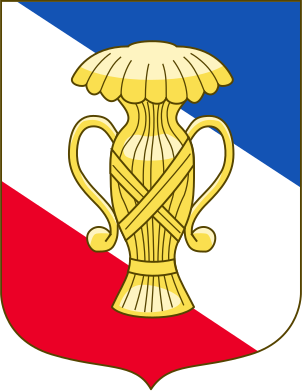
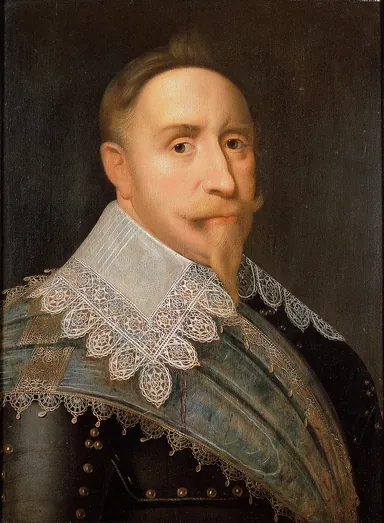
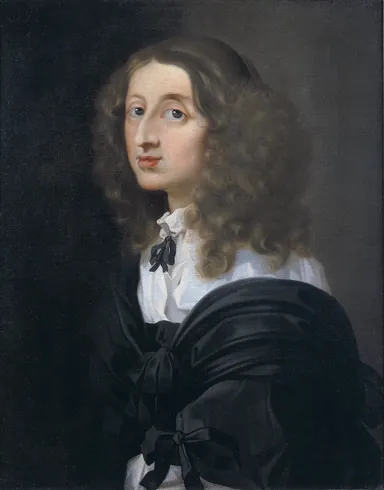
Arms of Vasa: Azure, argent and gules, a sheaf or overall.
Houses and lineages

Vasa

From the Swedish nobility to two monarchies: the house connects the break-up of the Kalmar Union with the union and separation of Sweden and Poland.

Arms. Azure, argent and gules, a sheaf or overall. The sheaf of the House of Vasa.

11 recorded people2 documented connections
Explore in the Spanish Atlas
Genealogy, inheritance and alliances

Parent houses and branches

Descent, marriage and inheritance connect houses in different ways. Each documented link retains its own explanation.

Alliances and inheritances

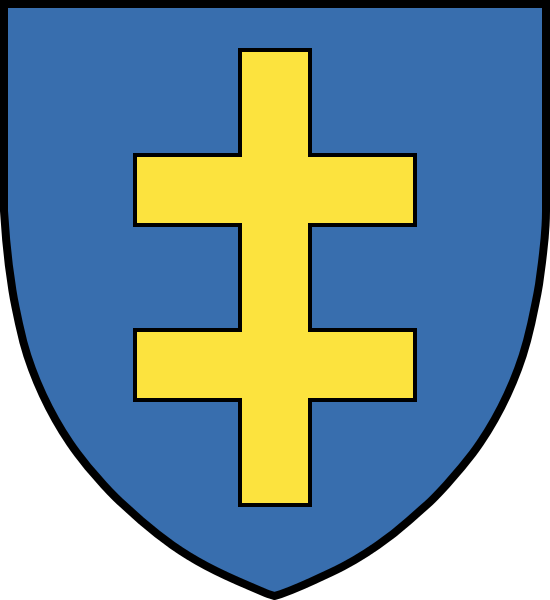
Arms of Jagiellon
Alliances and inheritances

Jagiellon

17

Grand dukes of Lithuania who, through the union with Poland in 1386, also reigned in Kraków and, in the late fifteenth century, in Bohemia and Hungary.

Read the record · ES
Accession to a crown · 1587–1592

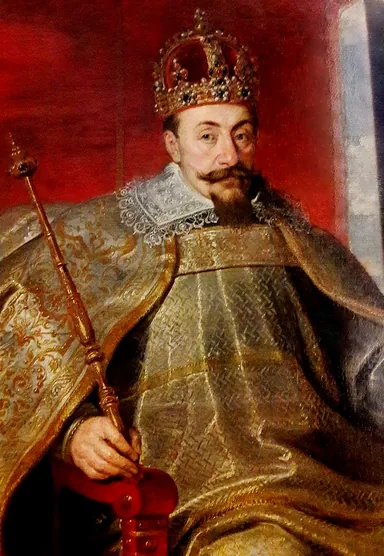
Jagiellon descent through Catherine supported Sigismund’s candidacy in Poland; his accession depended on an election. The Swedish crown subsequently came to him through John III.

View the connection in the Spanish tree
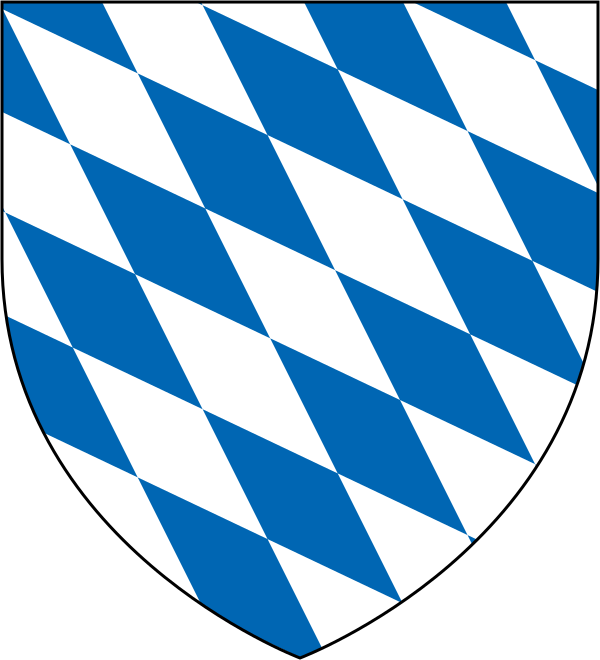
Arms of Wittelsbach
Alliances and inheritances

Wittelsbach

104

Dukes of Bavaria from 1180 and Counts Palatine of the Rhine, the house produced emperors, electors, kings of Sweden and a network of branches continuing into the eighteenth century.

Read the record · ES
Continuity through marriage and inheritance · 1654

Charles X Gustav was Charles IX’s grandson through Catherine Vasa. He succeeded Christina after his designation as heir and her abdication; his paternal line belonged to Wittelsbach.

View the connection in the Spanish tree

Origin

Gustav Vasa came from a Swedish noble family. The execution of his father Erik Johansson in 1520 and the rebellion against Christian II preceded his election as king in 1523.

Development

Gustav’s sons governed amid conflicts with one another. John III married Catherine Jagiellon: their son Sigismund was elected King of Poland and inherited Sweden. Opposition led by John’s brother Charles eventually removed him from the Swedish throne. The two branches retained conflicting claims and interests.

Legacy

Christina’s abdication in 1654 opened the way for Charles X Gustav, son of Catherine Vasa and John Casimir of the Palatinate. The change to Wittelsbach retained a family connection through the female line. The Polish branch continued until John Casimir’s abdication in 1668.

People who connect the history

Protagonists and connections

Territorial context

Linked territories

Recorded members of this house

People in this house

Recorded governments of members

Includes nominal titles, regencies and disputes when recorded. Annual intervals do not establish continuous or exclusive control.

PersonTerritory and titlePeriodStatus
Gustav I Vasa · ESRegent · Sweden · ES1521–1523RegencyElected riksföreståndare in 1521; king from 1523. These are separate offices, and the change within 1523 is retained at annual resolution.
Gustav I Vasa · ESKing · Sweden · ES1523–1560Effective rule
Erik XIV of Sweden · ESKing · Sweden · ES1560–1568Effective rule
John III of SwedenKing · Sweden · ES1568–1592Effective rule
Sigismund III VasaKing · Poland · ES1587–1632Effective rule
Sigismund III VasaGrand duke · Lithuania · ES1587–1632Effective rule
Sigismund III VasaKing · Sweden · ES1592–1599Effective rule
Charles IX of SwedenRegent · Sweden · ES1599–1604RegencyRiksföreståndare after Sigismund’s deposition; king from 1604. The regency is not retroactively counted as a reign.
Charles IX of SwedenKing · Sweden · ES1604–1611Effective rule
Gustav II Adolf of Sweden · ESKing · Sweden · ES1611–1632Effective rule
Władysław IV VasaKing · Poland · ES1632–1648Effective rule
Władysław IV VasaGrand duke · Lithuania · ES1632–1648Effective rule
Christina of Sweden · ESQueen · Sweden · ES1632–1654Effective rule
Christina of Sweden · ESRuler · Moravia · ES1642–1650OccupationSuperior authority over the Swedish occupation forces. The municipal history documents military occupation from 1642 to 1650. Christina is the Swedish sovereign during this period; military command and administration belong to her officers. She receives no margravial title and is not assigned all Moravia.
John II Casimir VasaKing · Poland · ES1648–1668Effective rule
John II Casimir VasaGrand duke · Lithuania · ES1648–1668Effective rule

Contextual bibliography

General references do not by themselves verify every relationship or date. Bibliographic titles retain their original language.

Sources and methodology
Arms: Odejea · CC BY-SA 3.0 · Wikimedia Commons. A viewBox was added for responsive scaling; the drawing is unchanged.