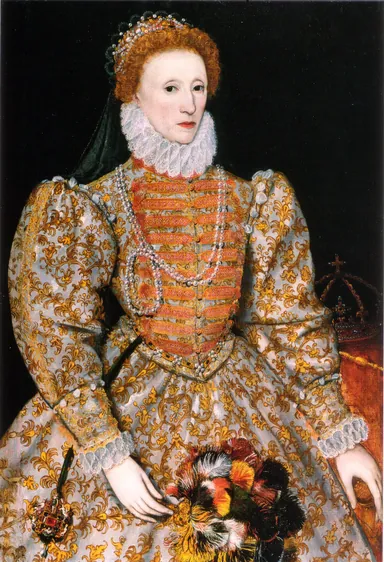
A Welsh family that reached the English throne with Henry VII’s victory in 1485 and held it for five reigns, from the break with Rome to the Elizabethan era.
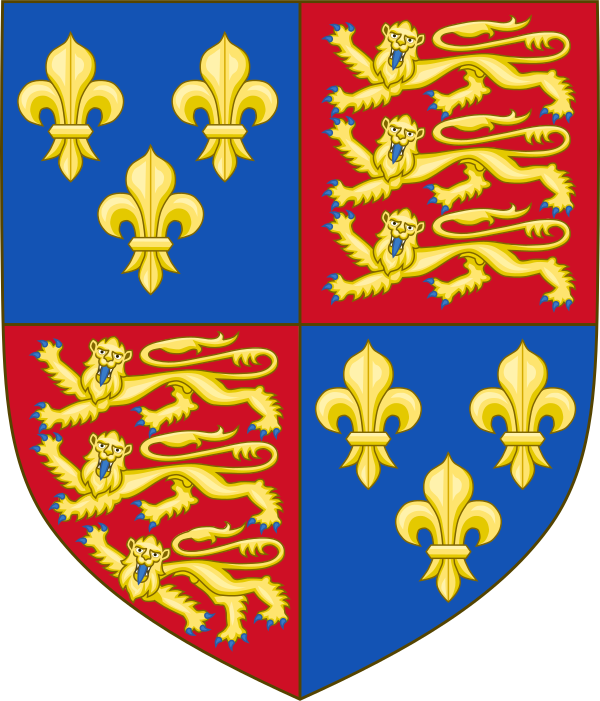
Arms. Quarterly: first and fourth, azure, three fleurs-de-lis or (France); second and third, gules, three lions passant guardant or (England). England’s royal arms from Henry IV, inherited by the Tudors from the Lancastrians and borne until Elizabeth I. Their dragon and greyhound supporters are not part of the shield.
Descent, marriage and inheritance connect houses in different ways. Each documented link retains its own explanation.
Alliances and inheritances
Alliances and inheritances
Stuart
21people
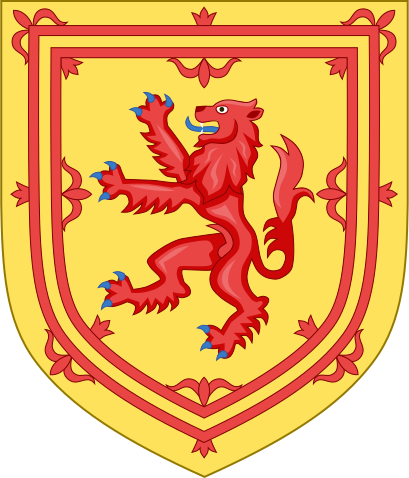
High Stewards of Scotland who became kings in 1371, the Stuarts inherited England and Ireland in 1603 and reigned, interrupted by the Commonwealth, until Anne’s death in 1714.
Margaret Tudor married James IV of Scotland in 1503. Their descendants connected the Stuarts to the English succession: her great-grandson James VI of Scotland inherited England in 1603.
Owen Tudor, a Welsh knight, married Catherine of Valois, Henry V’s widow. His grandson Henry, heir to the Lancastrian claim through his mother Margaret Beaufort, defeated Richard III at Bosworth (1485) and married Elizabeth of York, bringing the Wars of the Roses to an end.
Development
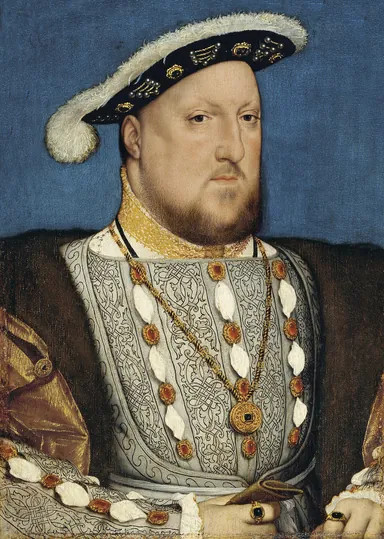
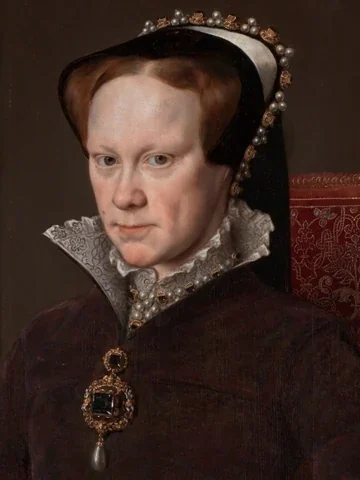
Henry VII strengthened royal finances and married his son Arthur to Catherine of Aragon and his daughter Margaret to James IV of Scotland. Henry VIII broke with Rome to annul his marriage to Catherine. His three children succeeded him: the Protestant Edward VI; Mary I, who restored Catholicism and married Philip II; and Elizabeth I.
Legacy
Elizabeth I did not marry, and on her death in 1603 the crown passed to James VI of Scotland, Margaret Tudor’s great-grandson. The house left a Church of England separate from Rome, a monarchy with a strong parliamentary basis and a navy capable of confronting Spain.