The Sforzas transformed a family of condottieri’s military prestige into ducal power and alliances with Europe’s greatest courts.
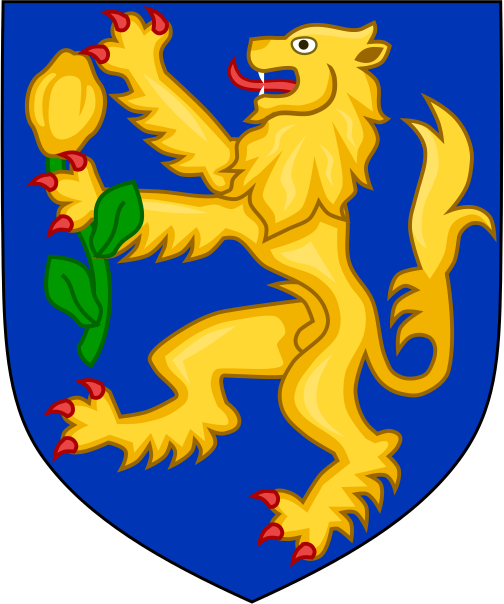
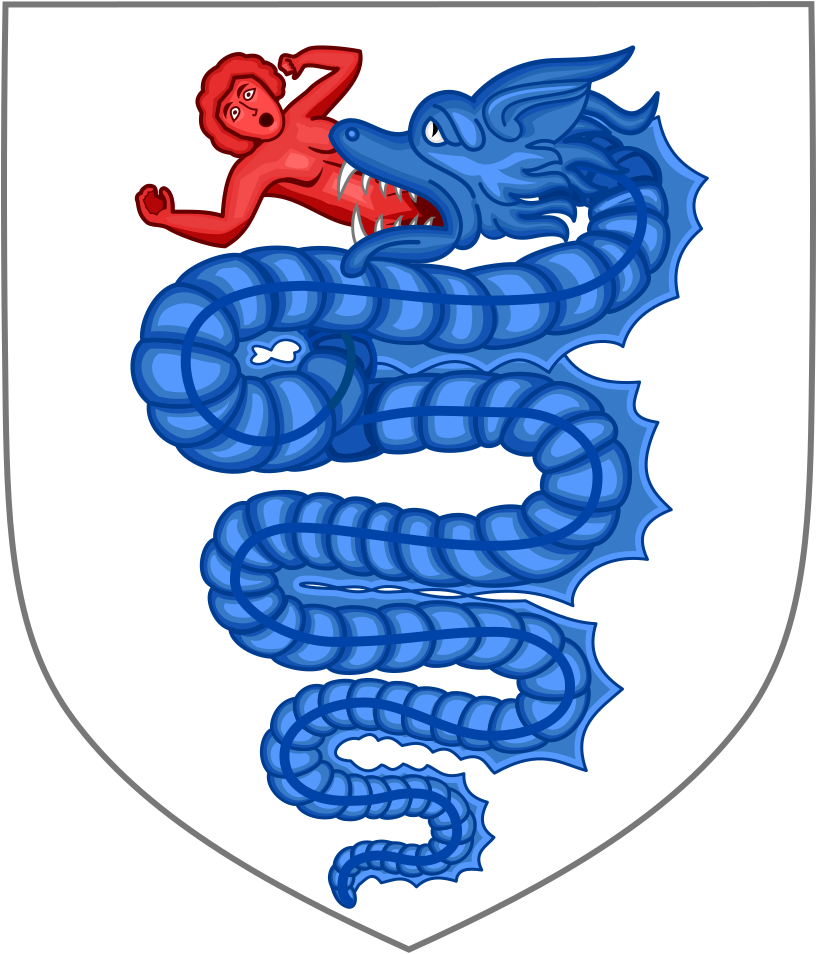
Arms. Azure, a lion rampant or holding a quince or, leaved vert. The ancient canting arms of the Sforzas, Counts of Cotignola: the quince (cotogna). The dukes of Milan used the imperial eagle and the Visconti serpent; branches outside Milan retained these arms.
Descent, marriage and inheritance connect houses in different ways. Each documented link retains its own explanation.
Alliances and inheritances
Alliances and inheritances
Visconti
18people
A Milanese family that transformed the city’s lordship into a hereditary duchy (1395) and dominated much of Lombardy until Filippo Maria’s death in 1447. Its inheritance passed to the Sforzas.
Continuity through marriage and inheritance · 1441–1450
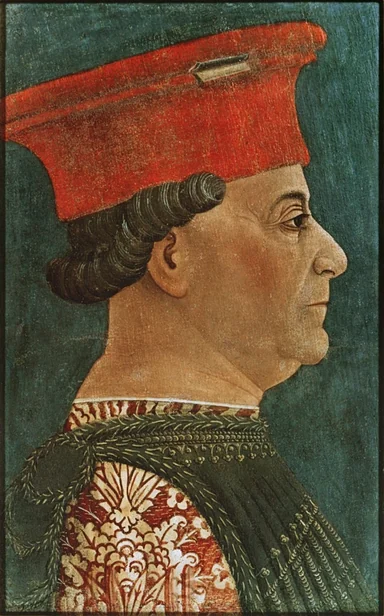
Bianca Maria Visconti, Filippo Maria’s daughter, married Francesco Sforza in 1441. After the last Visconti duke’s death and the Ambrosian Republic, Francesco obtained the Duchy of Milan in 1450.
Muzio Attendolo, called Sforza, gained fame in the service of various Italian rulers. His son Francesco married Bianca Maria Visconti, daughter of the Duke of Milan. After Filippo Maria Visconti’s death and the brief Ambrosian Republic, Francesco entered Milan as duke in 1450.
Development
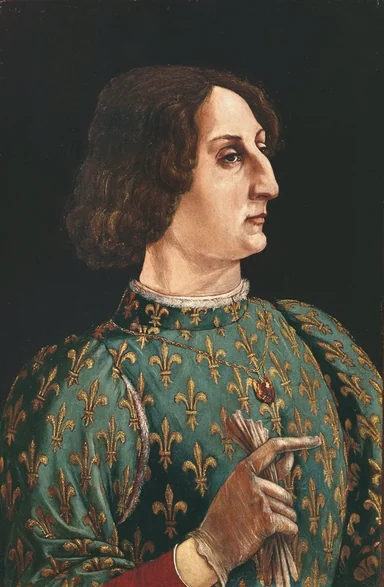
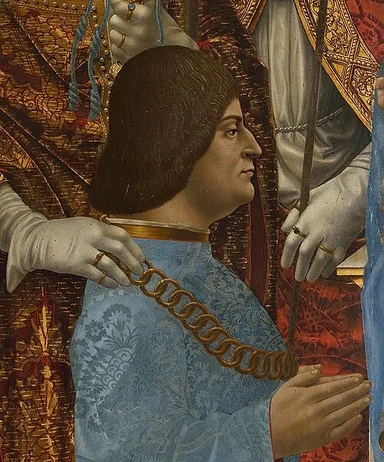
Galeazzo Maria inherited the duchy and was murdered in 1476. His son Gian Galeazzo’s minority allowed Ludovico il Moro to rise to power and eventually assume the ducal title. The court promoted art and engineering and pursued marriages with Naples, Savoy, Este and Habsburg.
Legacy
The Italian Wars expelled Ludovico in 1499. His sons recovered government in later periods, constrained by foreign powers. Francesco II died without issue in 1535, and the duchy entered Charles V’s orbit. Other branches continued in Pesaro and Santa Fiora.