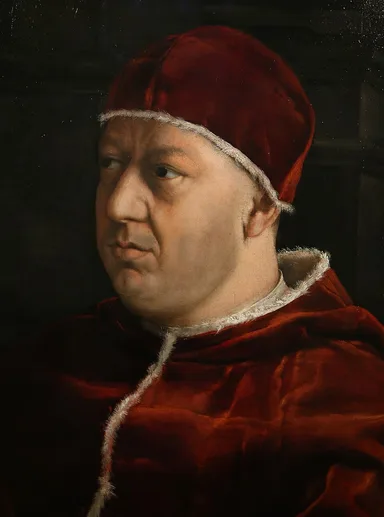
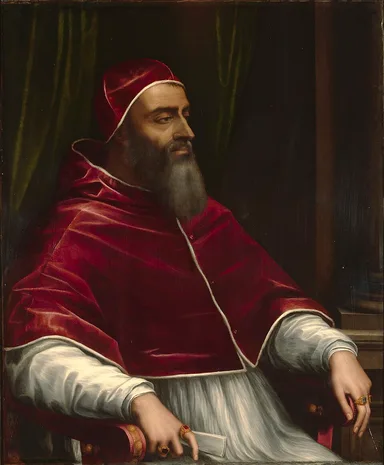
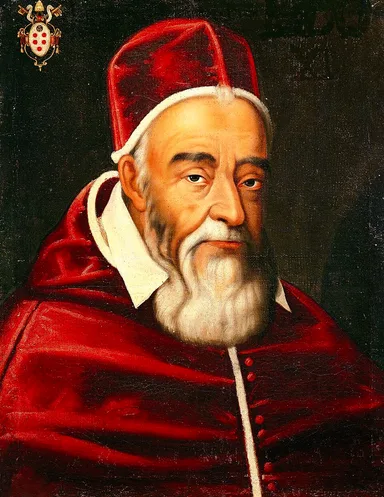
Florentine bankers who governed the republic informally, produced three popes (Leo X, Clement VII and Leo XI) and, from 1569, were Grand Dukes of Tuscany until the line ended in 1737.
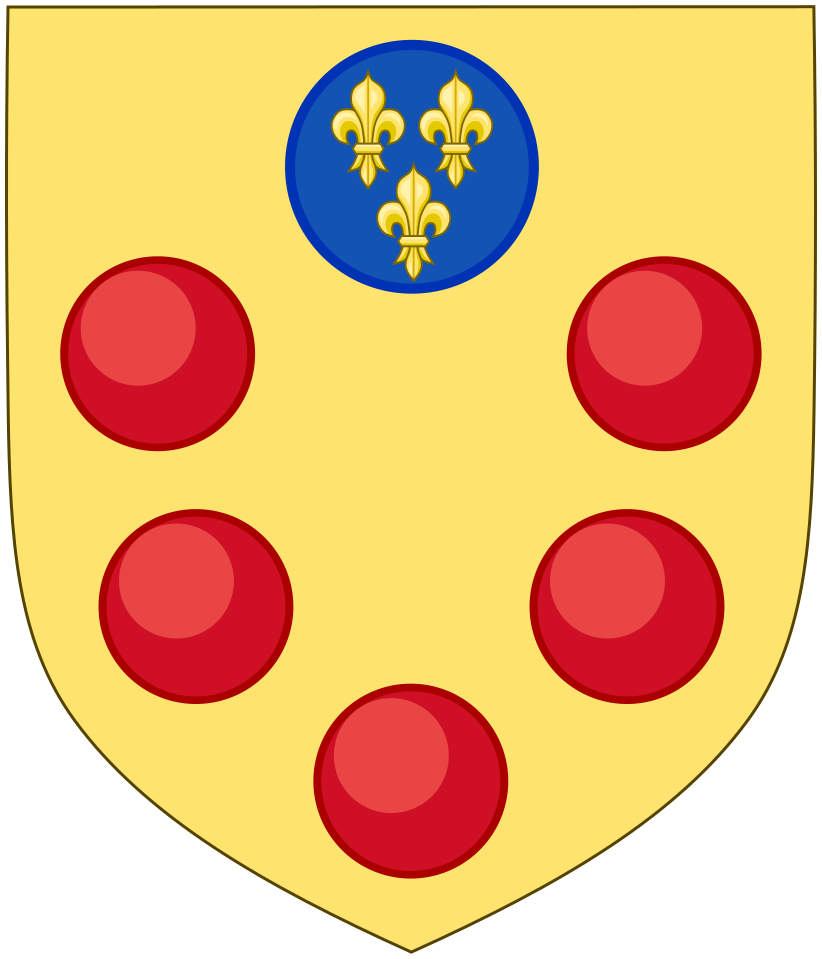
Arms. Or, five roundels gules and, in chief, a larger roundel azure charged with three fleurs-de-lis or. The French roundel was granted by Louis XI in 1465.
Descent, marriage and inheritance connect houses in different ways. Each documented link retains its own explanation.
Origin
The family fortune came from the bank founded by Giovanni di Bicci in the late fourteenth century, with branches in Rome, Venice, Bruges and London. His son Cosimo the Elder returned from exile in 1434 and thereafter directed Florence without holding a princely office, through client networks and control of the magistracies.
Development
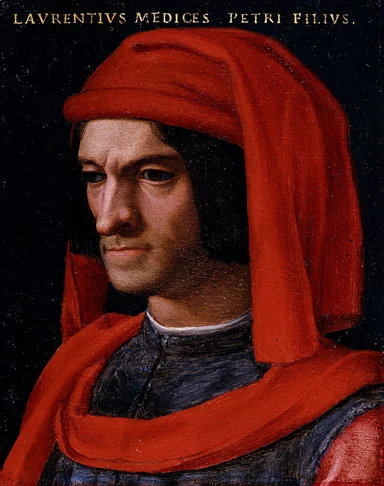
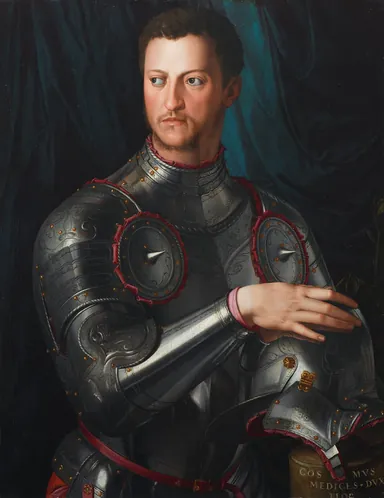
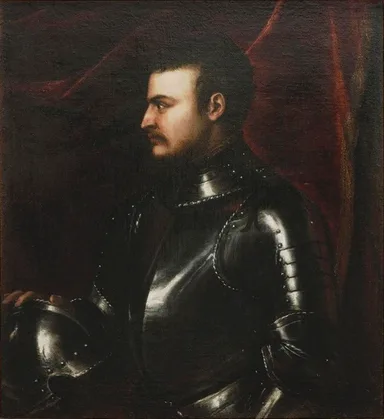
Lorenzo the Magnificent maintained that informal power and the prestige of patronage. Expelled in 1494 and again in 1527, the Medici returned with support from their popes, Leo X and Clement VII, and Charles V. Alessandro became the first duke (1532). Cosimo I, from the Popolani branch, conquered Siena and received the title Grand Duke of Tuscany from the pope in 1569.
Legacy
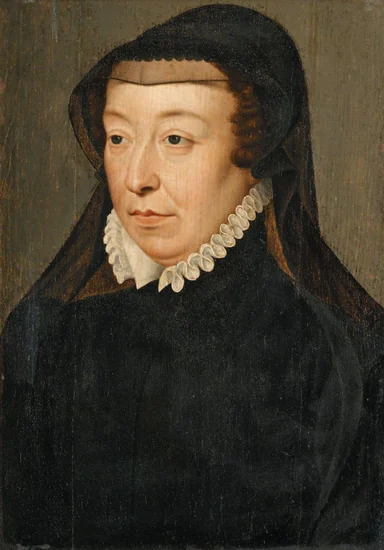
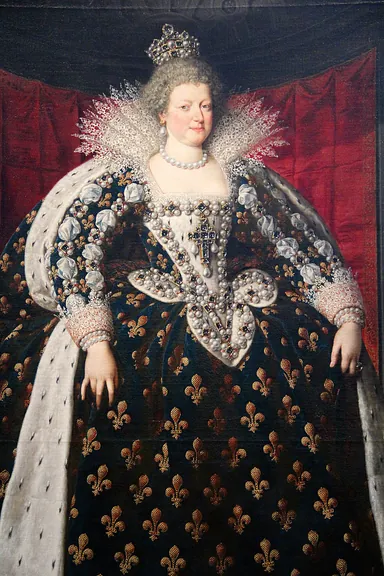
The grand dukes governed a regional state with a court, administration and collections that formed the basis of the Uffizi. Catherine and Marie de’ Medici became queens of France. When Gian Gastone died childless in 1737, Tuscany passed to Francis Stephen of Lorraine; his sister Anna Maria Luisa bequeathed the family collections to Florence.